
By Mahesh Narayanaswamy, Founder

Granite is one of the most specified natural stones for high-traffic areas and architectural projects, and for good reason. In architecture, beauty is only part of the equation. In places where thousands of people walk, wheel, work and move every day, the material beneath their feet, and around them, needs to withstand constant use while continuing to look impressive.
This is one of the reasons granite remains a preferred natural stone for demanding architectural environments. Its combination of strength, durability, natural character and finish options makes it suitable for everything from commercial entrances and public spaces to airports, hotels, shopping centres and institutional buildings.
Why Granite Suits High-Traffic Areas
Consider the entrance of a busy hotel or commercial building. Every day, the surface may encounter footsteps, luggage wheels, cleaning equipment, dust and outdoor debris. A material selected for such an environment needs more than an attractive appearance. It needs to perform reliably over time.
Granite's natural hardness and resistance to wear make it a practical option for many areas subjected to frequent use. However, the performance of a particular granite depends on its technical characteristics, finish, thickness and intended application. For demanding projects, these factors should be evaluated before the stone is specified.
Granite Durability for Demanding Environments
One of granite's greatest advantages is its ability to withstand regular use. Granite is an igneous rock made mainly of quartz and feldspar, which is why it resists scratching and wear better than softer stones such as marble or limestone.
When appropriately selected and installed, granite can provide a long-lasting surface for areas exposed to substantial pedestrian traffic. This is one reason it has been used in architectural and urban applications where durability is an important consideration.
For projects such as transport terminals, commercial buildings, public plazas and busy entrances, selecting a stone according to its expected level of wear can make a significant difference to long-term performance.
The key isn't simply choosing granite. It is choosing the right granite for the job.
Granite Colours and Patterns That Stay Relevant
Architectural trends come and go, but natural stone has a timeless quality.
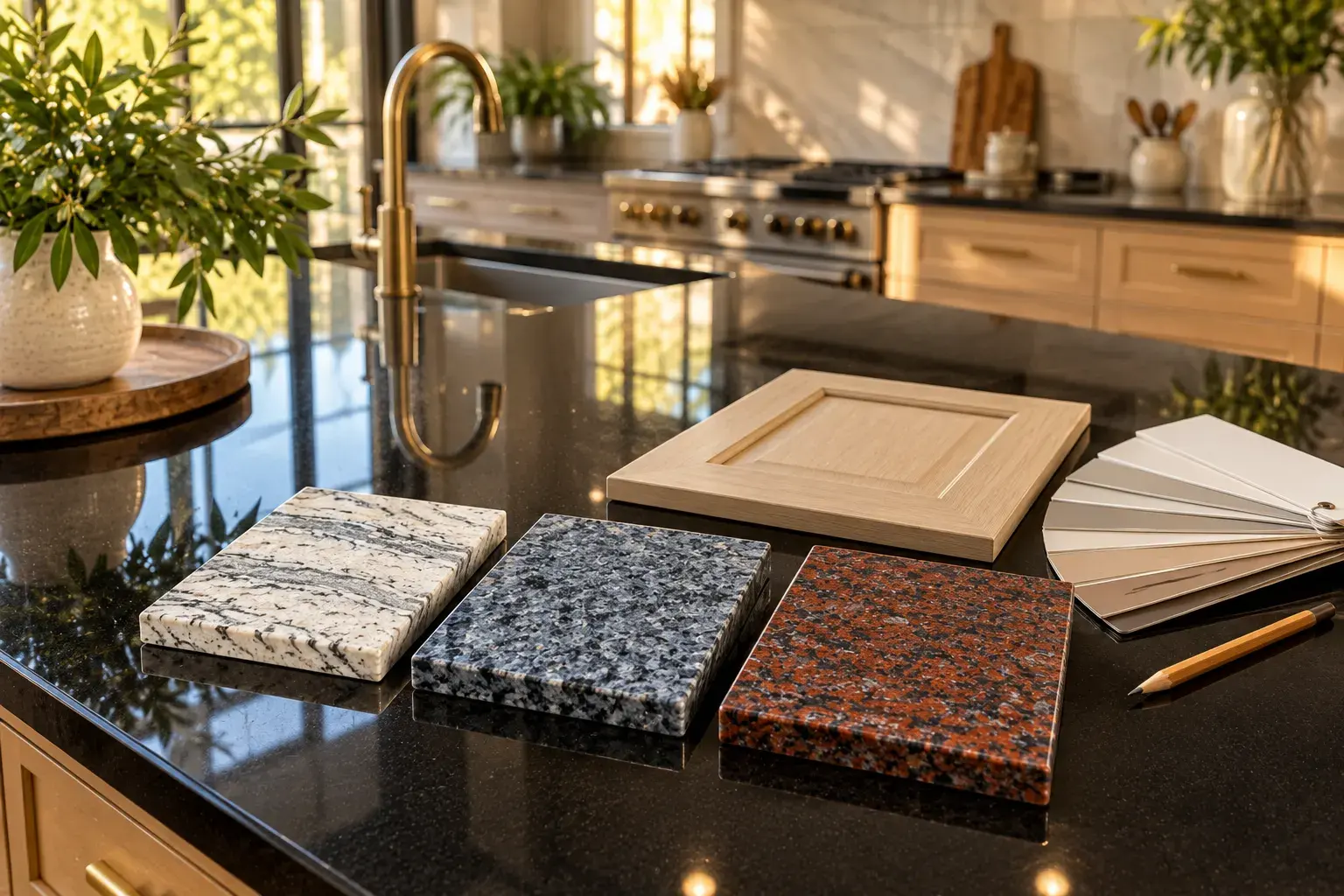
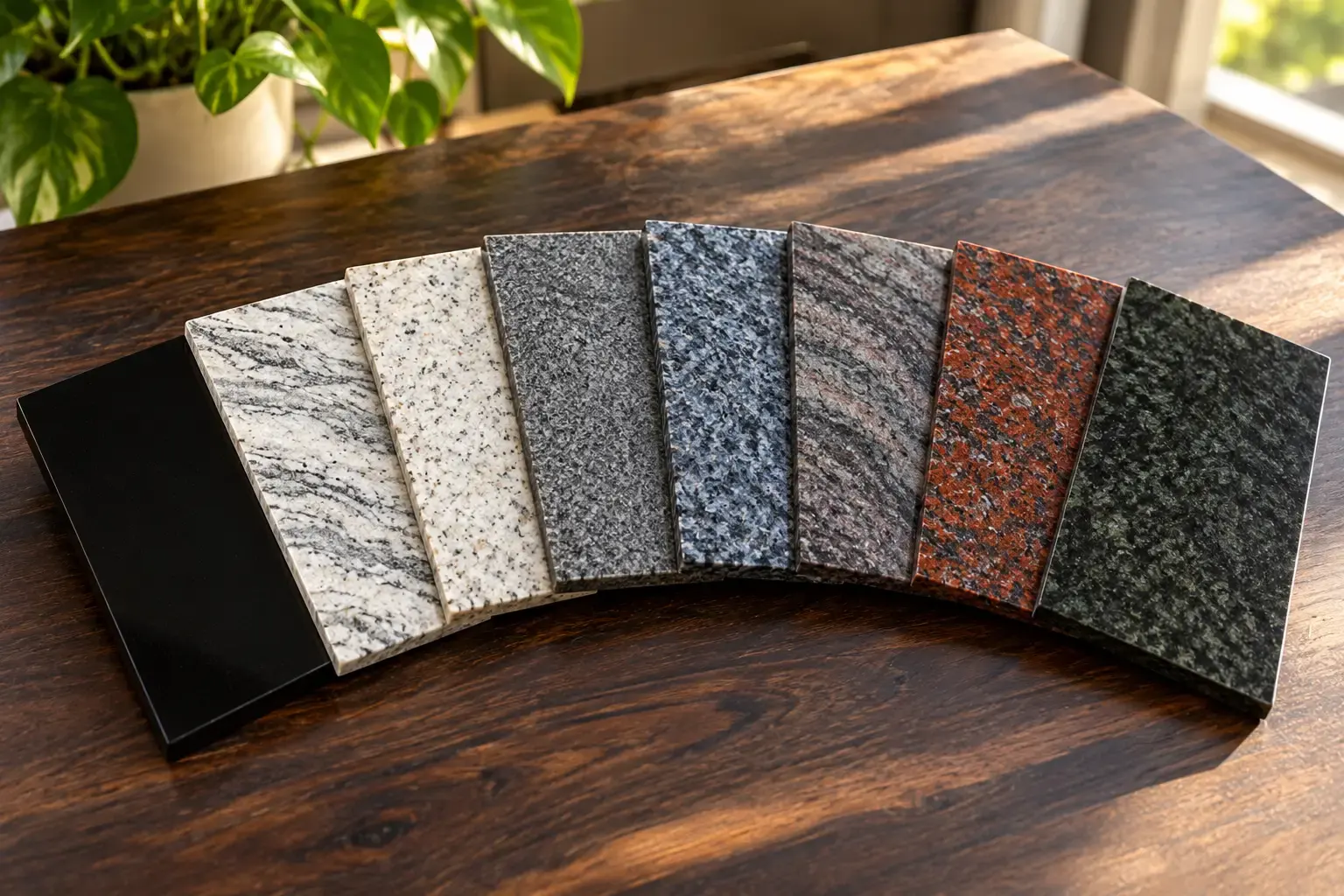
Granite is available in an extensive range of colours, patterns and mineral structures. Deep blacks can create a sophisticated contemporary appearance, while greys, browns and lighter stones can produce a warmer aesthetic.
This versatility allows architects to incorporate granite into both modern and traditional designs. Rather than competing with the architecture, the stone can become an integral part of its visual identity.
Granite Finishes for Busy Spaces: Polished, Honed and Textured
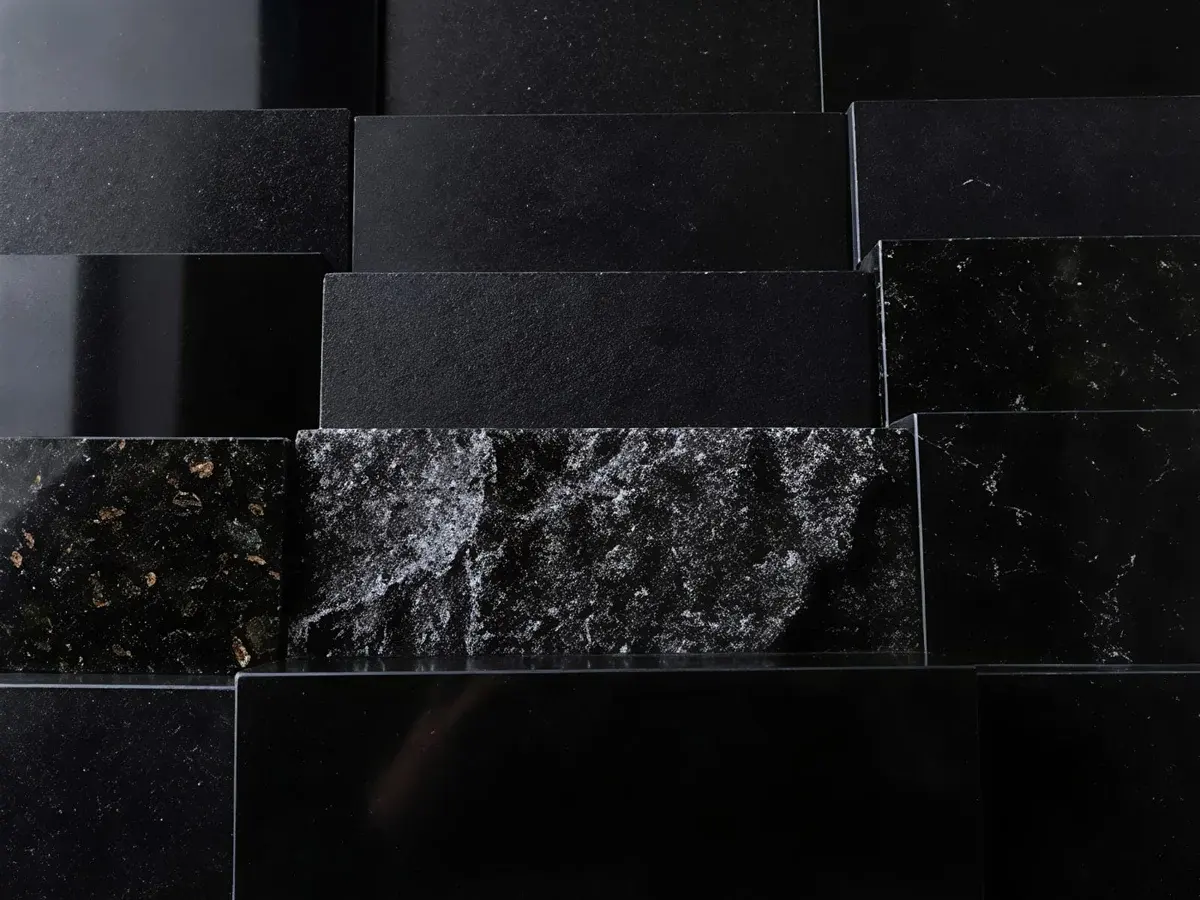
Granite becomes even more versatile when different finishes are considered.
- A polished finish can bring out the depth of colour and natural pattern of the stone, making it suitable for applications where a refined appearance is desired.
- A honed finish creates a softer, more subtle look.
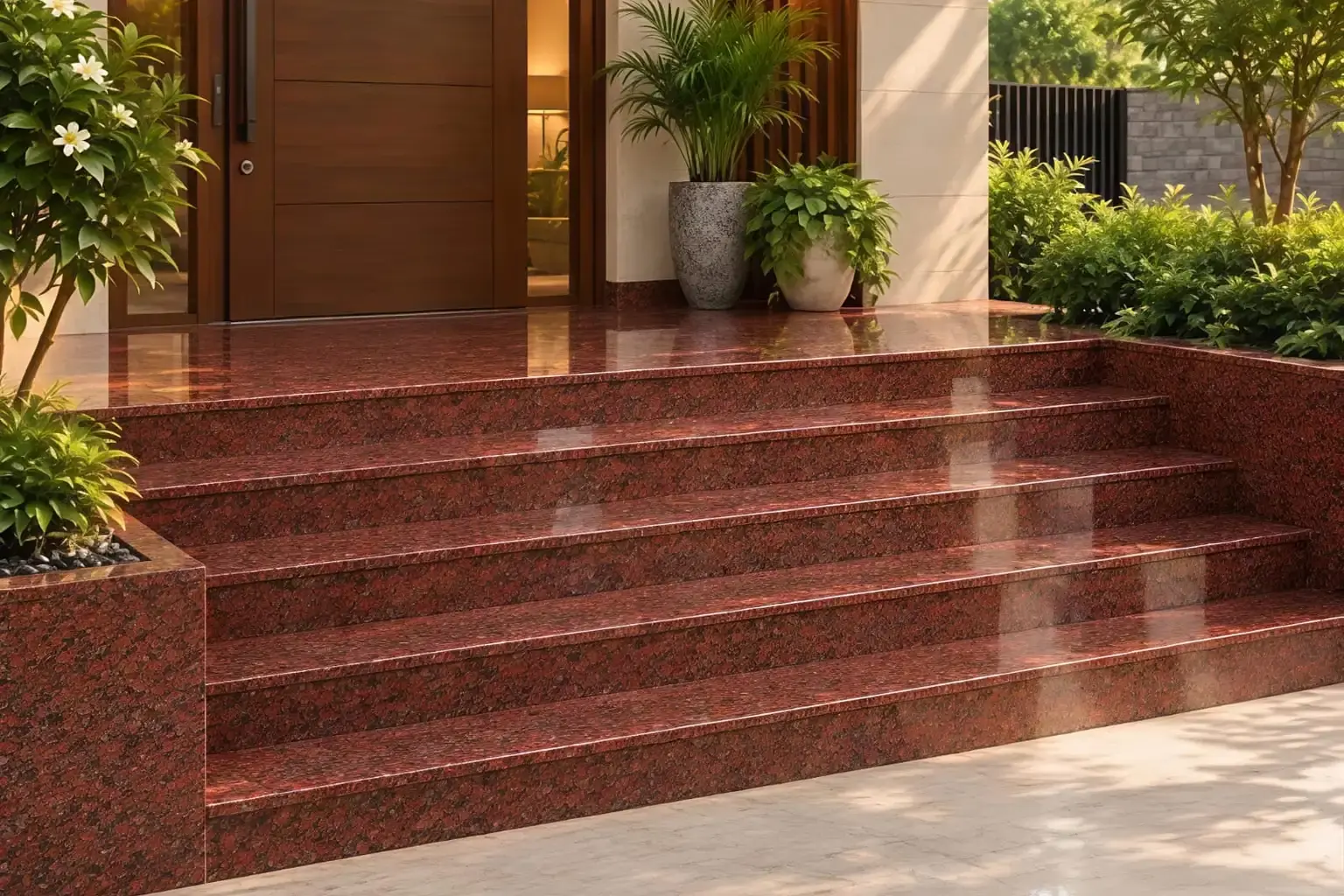
- For certain exterior and high-use applications, textured finishes such as flamed or bush-hammered can provide a different combination of appearance and surface characteristics, including better grip on external paving.
This means architects don't have to think about granite simply as a colour. The final appearance is influenced by the combination of:
Granite colour + natural pattern + finish + application + lighting
That combination can completely change how a stone appears within a building.
For external paving and wet entrances, check the slip resistance of the chosen finish as well as its appearance.
Using Granite Indoors and Outdoors
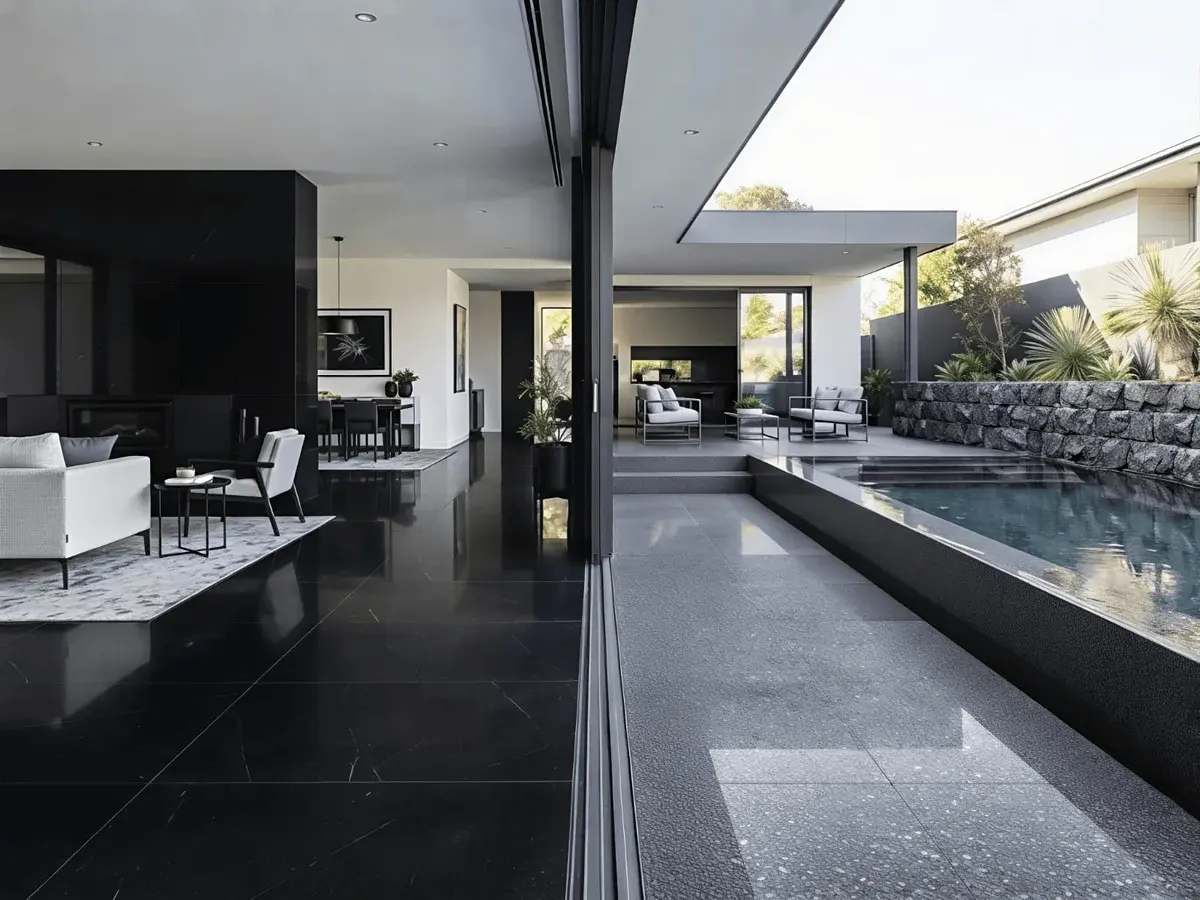
One of the interesting directions in contemporary architecture is the creation of a stronger visual connection between indoor and outdoor spaces. The same stone language can sometimes be carried from a building entrance into a terrace, plaza or landscaped area.
Granite can be used across a variety of architectural applications, making it possible to create a more consistent material palette throughout a project. This can be particularly effective for hotels, commercial developments, institutional buildings and large public spaces.
Whole-Life Value: Looking Beyond the Purchase Price
When selecting stone for a busy building, the purchase price is only one part of the decision. A surface that wears prematurely may require repair, replacement or significant maintenance, adding material costs, labour and disruption.
Durable stone can also offer long-term value through reuse and reclamation. Where suitable, stone removed during refurbishment or redevelopment can be reclaimed and reused, reducing waste and the need for new materials.
A properly specified durable stone can therefore be considered from a whole-life perspective, rather than simply comparing the initial cost per square metre. For developers and architects, this makes material selection an important part of long-term project planning.
Natural Variation: Every Granite Has Its Own Character
Unlike manufactured surfaces designed to look identical throughout, natural granite has its own geological story. Mineral distribution, grain and colour variation give each stone its individual character.
For architects, this natural variation can be an advantage. A large reception wall, entrance floor or feature façade can gain visual depth from the subtle differences within the stone. Instead of looking mass-produced, the finished space can have a stronger connection with the natural material itself.
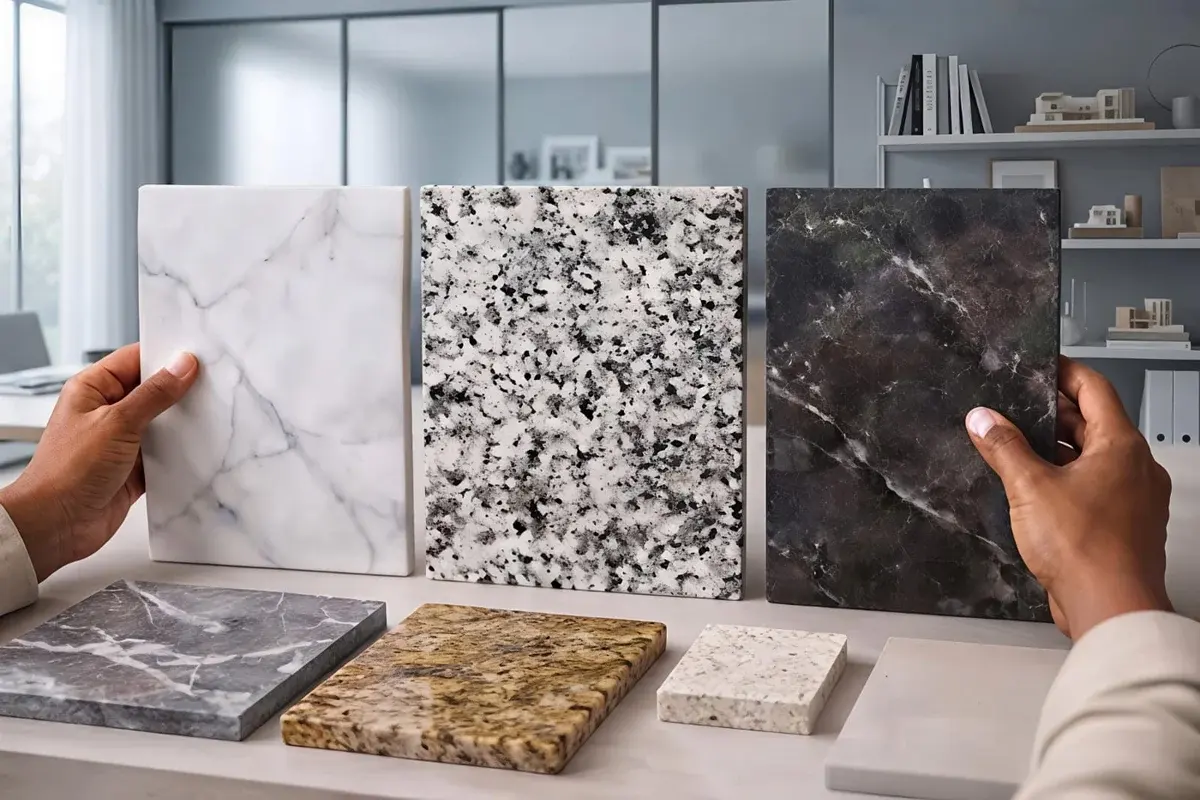
What Should Architects Consider Before Choosing Granite?
Not every granite is suited to every application. For a high-traffic project, the selection process should consider several factors:
- Abrasion and wear resistance
- Water absorption
- Strength
- Stone thickness
- Surface finish
- Expected traffic levels
- Installation method
- Location and environmental conditions
- Cleaning and maintenance requirements
Technical specifications and test results should be reviewed according to the requirements of the particular project. Industry standards such as ASTM C615/C615M provide specifications for granite dimension stone, including properties relevant to various architectural applications. Related test methods include ASTM C241 for abrasion resistance and ASTM C97 for water absorption.
This is why an experienced stone supplier can be valuable during the specification stage: not simply for supplying the stone, but for helping match the material to the application.
Specifying the Right Granite for Heavy Traffic
The best architectural materials need to deliver on two fronts: performance and appearance.
Granite offers architects the opportunity to combine natural beauty with the physical characteristics required for many demanding environments. Its range of colours, patterns and finishes also allows it to work across different architectural styles.
The real question, therefore, isn't “Is granite durable?” A better question is: “Which granite, finish and specification are right for this particular project?”
That distinction is what turns a good material choice into a successful architectural solution.
From Indian Granite to Global Architecture
At Devinarayan Granites Ltd, we understand that architectural stone needs to meet both aesthetic expectations and project requirements.
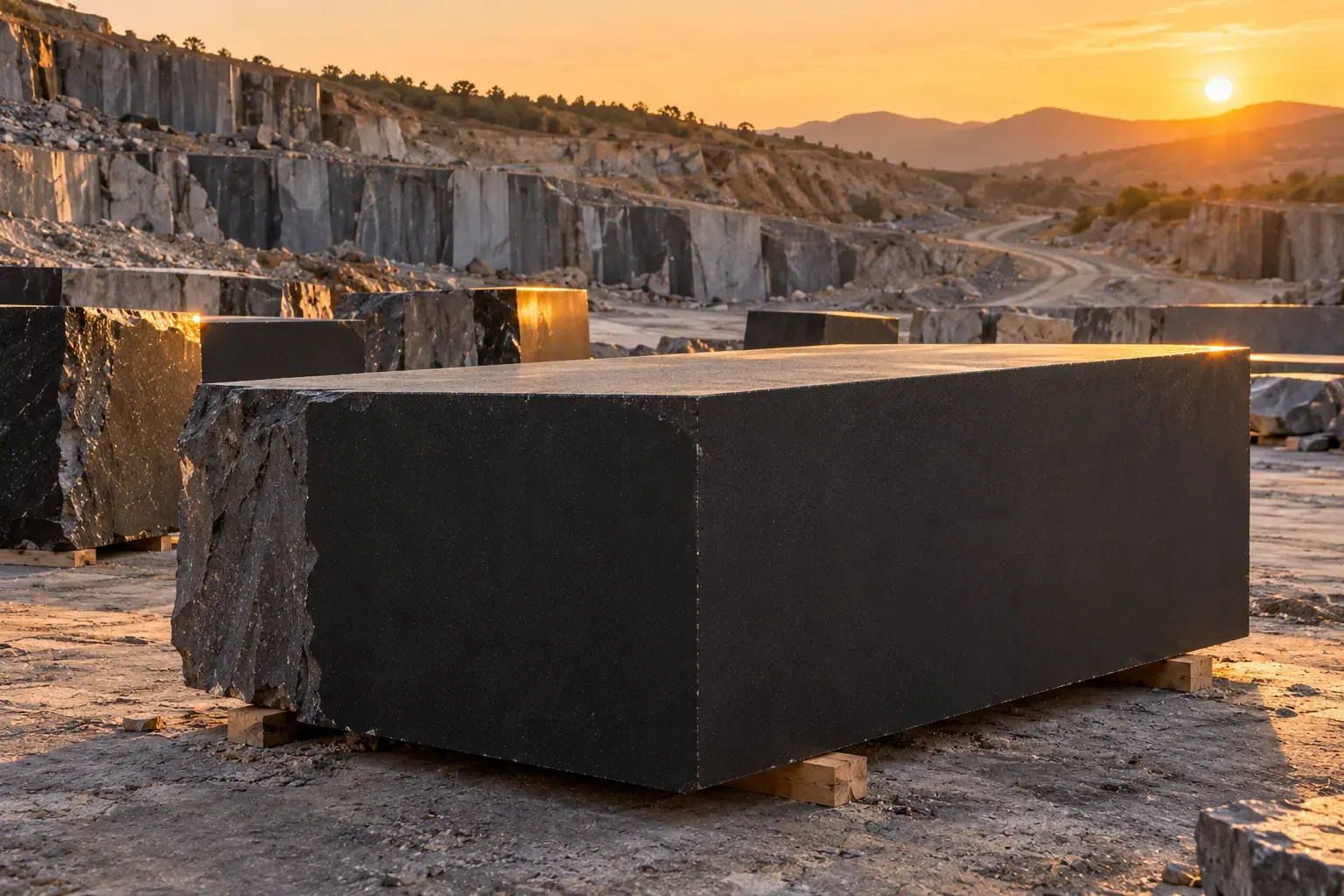
With our own quarries, our own factory and more than 30 years of experience in quarrying, granite manufacturing and exports, we supply granite to buyers in the USA, UK, Canada, UAE, Australia, Germany and Vietnam as granite manufacturers and exporters in India. We work with buyers looking for natural stone suitable for architectural, commercial, infrastructural and memorial applications.
From granite colour and finish selection to processing and export requirements, choosing the right stone at the beginning can make a lasting difference.